AI DeepSeek “From Revolutionary to Kleptocrat: The Paradox of Pushpa Kamal Dahal ‘Prachanda'”
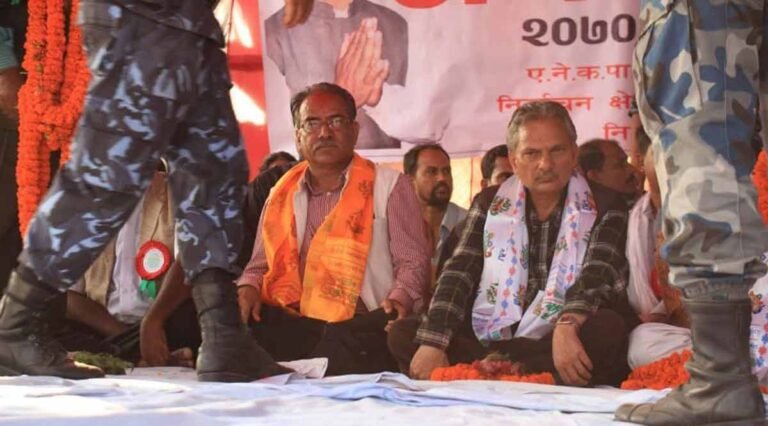
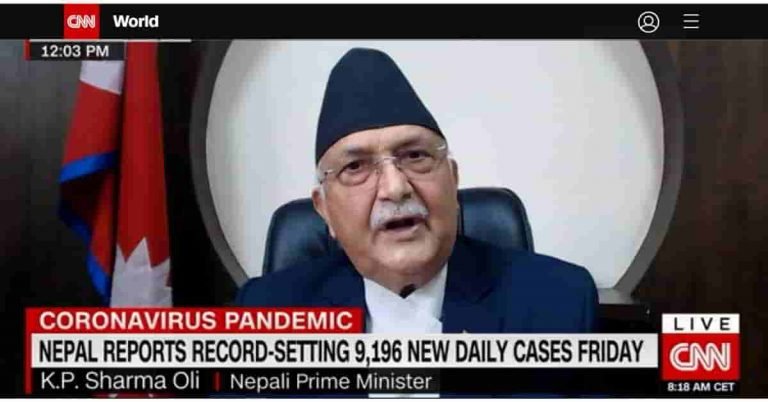
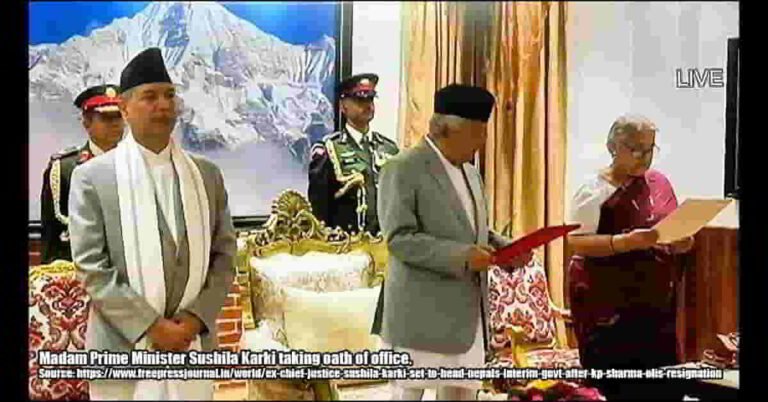
Generation Zers of Nepal poured out into the streets on Sept. 8, 2025 demanding an end to the corruption that has crippled the country. Within 48 hours, the Government, of Nepal, helmed by KP Oli, one of the three so-called senior leaders of the biggest political parties, toppled. Sher Bahadur Deuba and Puspa Kamal Dahal make up the three that have had a strangehold on the country for the past several years.
How corrupt is the country of Nepal? How corrupt are the political leaders of Nepal? Here's what the AI Deep Seek produced for me about Puspa Kamal Dahal, 'Prachanda', and his corruption scandals.
![[Nepalis] have no mental issue-feat image](https://www.dorjegurung.com/blog/wp-content/uploads/2017/11/Nepalis-have-no-mental-issue-feat-image-768x480.jpg)