There is Poor Representation…and Then There is Nepal
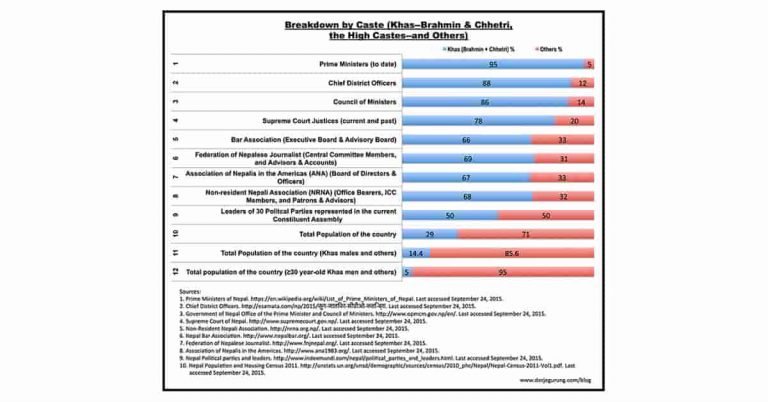
The incredibly homogeneous power structure of Nepal is an anachronistic slap in the face of the equally incredibly diverse population of the country.

The incredibly homogeneous power structure of Nepal is an anachronistic slap in the face of the equally incredibly diverse population of the country.
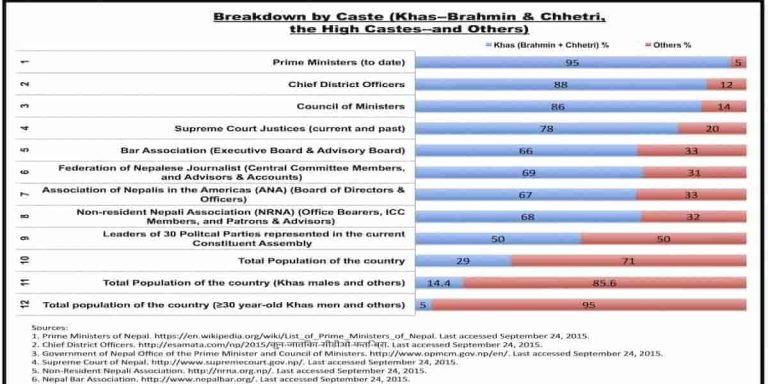
How do some Nepalese see statistics about composition of different bodies in Nepal?
While a few explain away the disproportionate representation of the High Caste by ascribing it to education, others are against disseminating such information because, according to them, they promote animosity and inter-caste hatred etc. These "educated" Nepalese fail to see/understand -- among other things -- how information is actually educational and empowering!
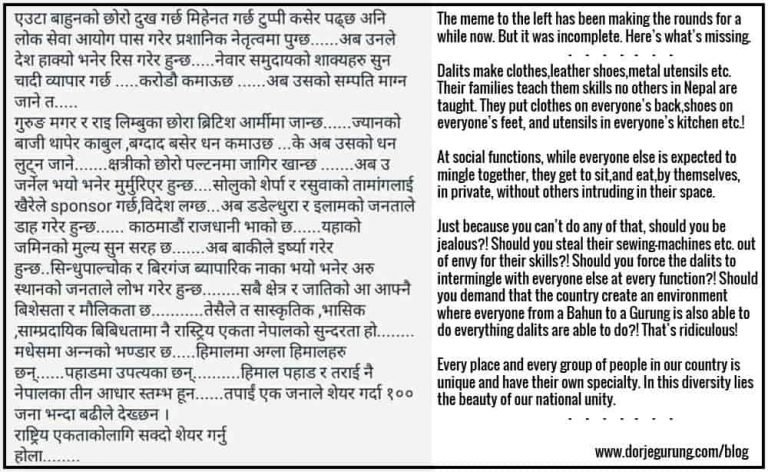
Preserve our caste system, the foundation for our incredible cultural and ethnic diversity, and help maintain the unity in people of our one and only country Nepal to fight against both the people who oppose it and all ills afflicting the country. As they say, "United we stand; divided we fall!"
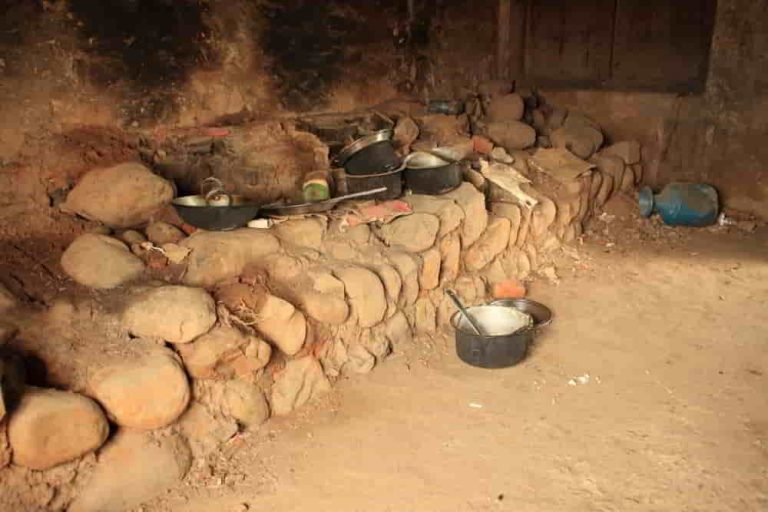
What does privilege in Nepal look like? Here's an exercise to visually and dramatically show that.
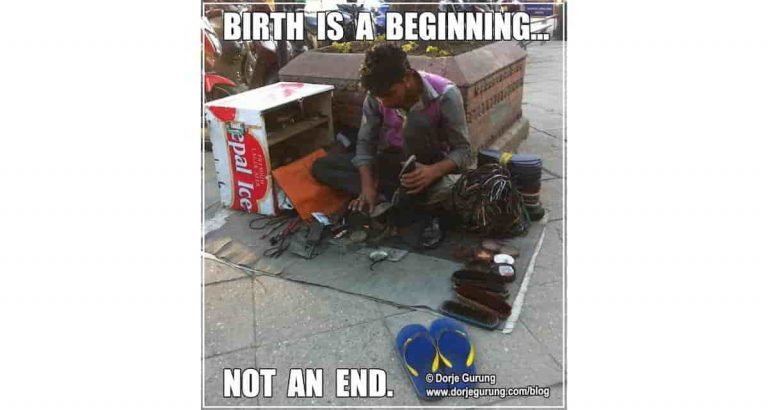
The spuriousness of the logic behind the Caste System, which considers birth as an end instead of the beginning that it is, and what can be done to eliminate it.

An audio recording of the presentation I made as a speaker at the Rosenfield Program at Grinnell College during my April-May 2014 visit to the US. It covers the plight of marginalized groups such as Dalits, women, Tharus and Tamangs both in the country and abroad, and what COMMITTED is doing about it all.