How to Fight Legacies of Monarchy-Entrenched Structural Discrimination And Systemic Casteism For a More Just And Equitable Nepal

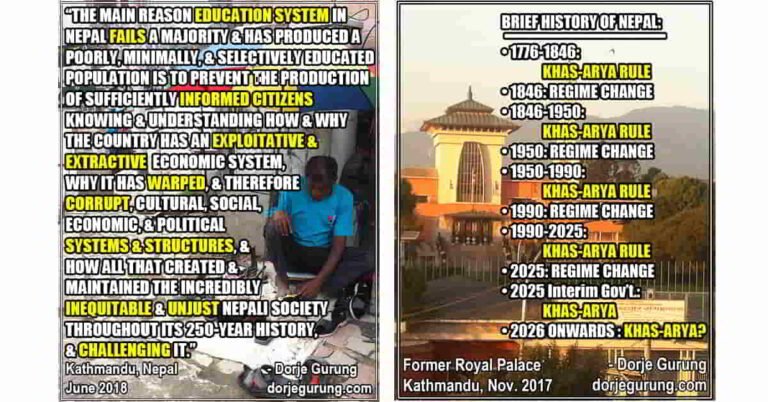
Autocratic Shah monarchy and feudal Rana oligarchy entrenched structural discrimination and systemic casteism in Nepal for more than two centuries, structurally privileging the ruling caste, the hill so-called high caste Hindus. Shackled by their legacies in the twenty-first century, Nepal still struggles to make progress. But, even as challenging and daunting as fighting against and correcting them in order to create a just and equitable Nepali society for all may appear, there are ways forward. Education has a major role to play.

In a three-post blog series, I am reproducing the answers Grok 3 provided on the subject. This one--the third and final one in the series--details the way forward.

Continue ReadingHow to Fight Legacies of Monarchy-Entrenched Structural Discrimination And Systemic Casteism For a More Just And Equitable Nepal

Legacies of Shah Monarchy’s Structural Discrimination And Systemic Casteism in Nepal

Autocratic Shah monarchy and feudal Rana oligarchy entrenched structural discrimination and systemic casteism in Nepal for more than two centuries, structurally privileging the ruling caste, the hill so-called high caste Hindus. Shackled by their legacies in the twenty-first century, Nepal still struggles to make progress. But, even as challenging and daunting as fighting against and correcting them in order to create a just and equitable Nepali society for all may appear, there are ways forward. Education has a major role to play.

In a three-post blog series, I am reproducing the answers Grok 3 provided on the subject. This one--the second one in the series--details the legacies of the deliberately instituted structural discrimination and systemic casteism.

Continue ReadingLegacies of Shah Monarchy’s Structural Discrimination And Systemic Casteism in Nepal

Nepal’s Shah Monarchy DELIBERATELY Entrenched Structural Discrimination And Systemic Casteism

Autocratic Shah monarchy and feudal Rana oligarchy entrenched structural discrimination and systemic casteism in Nepal for more than two centuries, structurally privileging the ruling caste, the hill so-called high caste Hindus. Shackled by their legacies in the twenty-first century, Nepal still struggles to make progress. But, even as challenging and daunting as fighting against and correcting them in order to create a just and equitable Nepali society for all may appear, there are ways forward. Education has a major role to play.

In this first of a three-post blog series, I am reproducing the answers Grok 3 provided on the subject. This one details how all that happened and/or how they were all deliberately instituted.

Continue ReadingNepal’s Shah Monarchy DELIBERATELY Entrenched Structural Discrimination And Systemic Casteism

What is Caste Privilege?

  • Post category:Social Justice
  • Reading time:3 mins read

Because of the LONG social, political and economic casteist history of Nepal, the hill co-called High Caste Hindus benefit from many (structural) privileges, while others are disadvantaged. But what percent in Nepal are aware of that, forget doing something actively in their everyday lives to counter their devastating impacts? What percent are even knowledgeable about what caste privilege is? This blog post summarizes some of that which constitutes caste privilege.

Continue ReadingWhat is Caste Privilege?

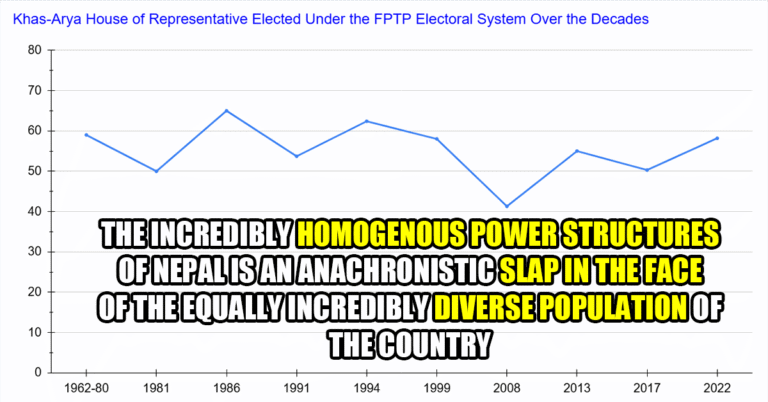
Nepali Voters Elect HIGHLY Non-representative House of Representatives…Or Do They?

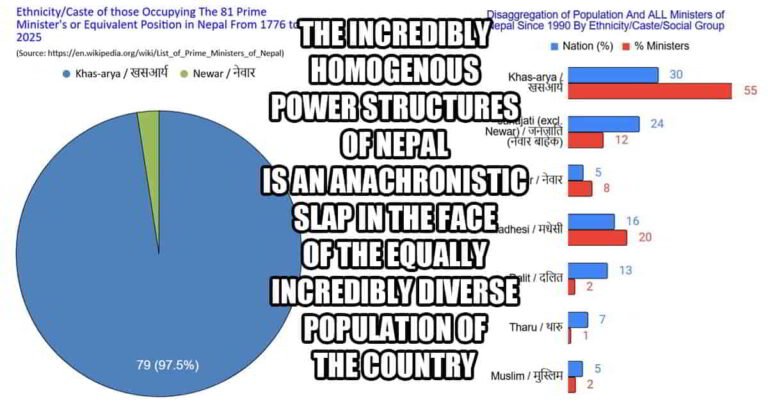
In the 2022 elections, Nepali voters elected a highly non-representative 165 FPTP members of the House of Representative...or did they?

Of course, while data show that, the reasons or explanations are a little more involved.

Continue ReadingNepali Voters Elect HIGHLY Non-representative House of Representatives…Or Do They?