When Perceived Success of Education is Actually EVIDENCE of Failure

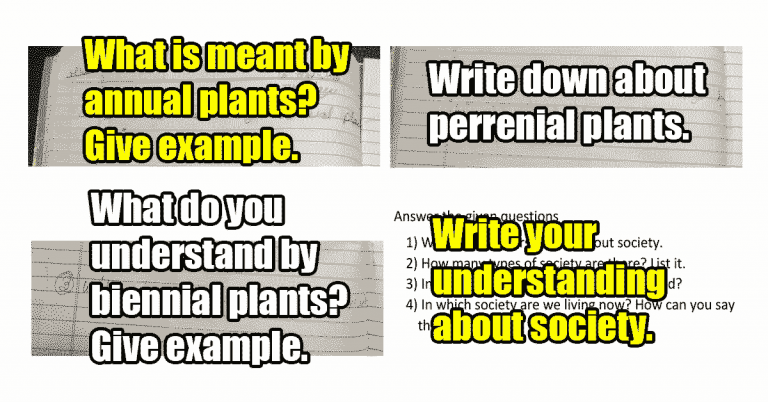
If, as an adult, you are CONVINCED that your academic institution SUCCEEDED in providing an excellent education, BUT has made you an ardent and blind supporter of the institution -- approving of everything it says, does, represents, and stands for unquestioningly -- then it failed you. Here are some examples of that from Nepal.

Continue ReadingWhen Perceived Success of Education is Actually EVIDENCE of Failure

The Science of Sex

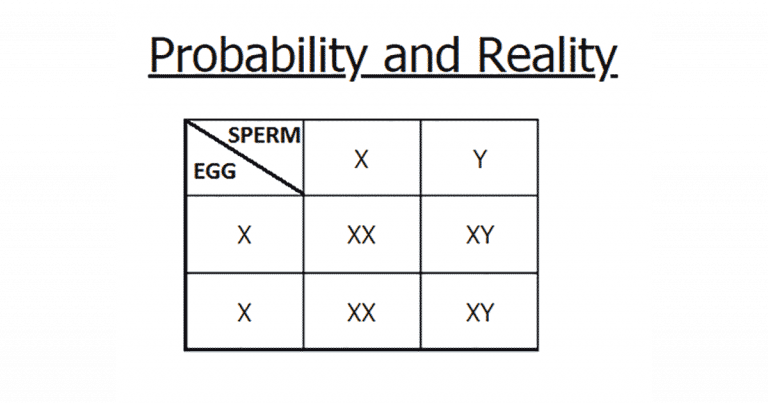
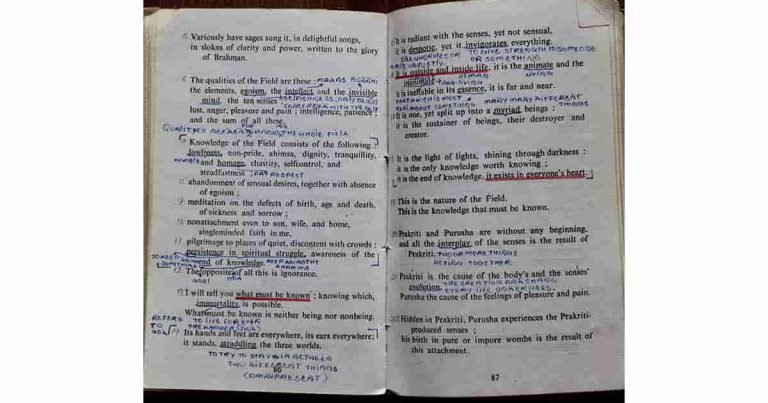
One of the many consequences of low science literacy and high level of religiosity and the attendant belief in superstitions in the highly patriarchal Brahmanic society of Nepal is unabashed cruelty to females. One way the cruelty is meted out is in the way they are blamed for a newborn's sex as it that were determined by gestation and birthing. Science says otherwise, of course!
Continue ReadingThe Science of Sex

Nepali Teachers Need to Loosen Up And Use Humor in Their Classrooms

  • Post category:General
  • Reading time:4 mins read

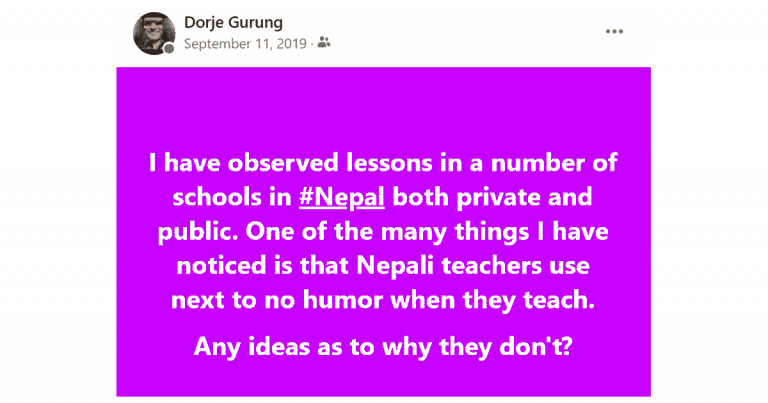
Nepali teachers do NOT use humor as much as they should. I do. And so in my workshops for them, I use it to demonstrate its effectiveness. Follow link for short videos of me in action -- telling jokes and making teachers and students laugh, to grab their attention and hold it.

Continue ReadingNepali Teachers Need to Loosen Up And Use Humor in Their Classrooms

As Much as We are Products of Our Culture, Education, Society etc. We are Also Their Shapers

As much as we are products of our culture, education, society, and people, and as much as a closed and inward-looking society and people might fail us, as individuals we are also influencers and shapers of our culture and society!

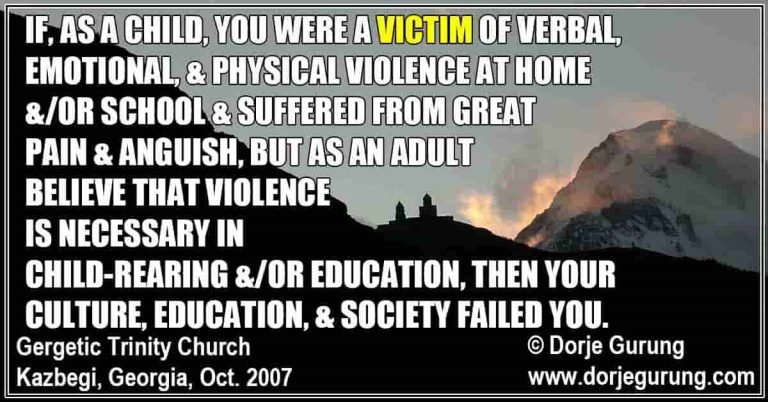
When it comes to verbal, emotional, and physical violence against children is concerned, for example, we Nepalis have a choice. We don't have to follow the dictates of our culture and society. We can instead teach about empathy and compassion and even display them towards our children to end the vicious cycle of childhood violence, a hallmark of child-rearing and educational practices.

Continue ReadingAs Much as We are Products of Our Culture, Education, Society etc. We are Also Their Shapers